Non-Stick Surface Egg Adhesion Testing Device
This device evaluates the non-stick performance of cookware surfaces using a standardized fried-egg test method to simulate real-world food contact behavior.
| Model | QC-15N |
|---|---|
| Size | 30*120MM |
| Weight | 15N |
| Category | GB/T 32095 Metal Cookware Testing Equipment |
| Published | 2026-11-19 |
views:6
Overview
Follow these standardized test procedures:
a) Clean the cookware surface with warm water (>60 °C) and neutral detergent, rinse thoroughly with clean water, dry completely, and cool to ambient temperature;
b) Apply 0.1 mL of Grade 1 soybean oil (per GB/T 1535–2017) uniformly across a 10 cm-diameter circular test area using a plastic spatula or a fresh 2.5 cm × 2.5 cm square of five-layer medical gauze;
c) Heat the cookware on a controlled heat source. Monitor internal surface temperature with a surface thermometer; once it reaches 150 °C–170 °C, crack one fresh egg (50–60 g, at room temperature) directly into the test area. Allow the egg white to coagulate fully—maintain internal surface temperature ≤180 °C throughout the process;
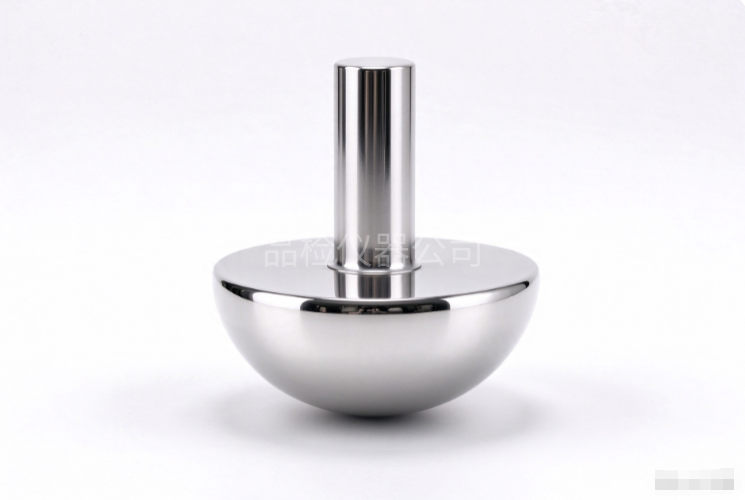
d) Remove the cooked egg intact using a plastic spatula with a blade thickness of 0.2–0.5 mm. If residual egg material remains, wipe the surface three times using a standardized pressure head (see Figure 3) wrapped in five layers of damp medical gauze, applying a consistent force of 15 N each time;
e) Repeat steps c) and d) two additional times for a total of three test cycles. Visually assess adhesion performance after each cycle.
Constructed entirely from precision-machined stainless steel per applicable national standards.