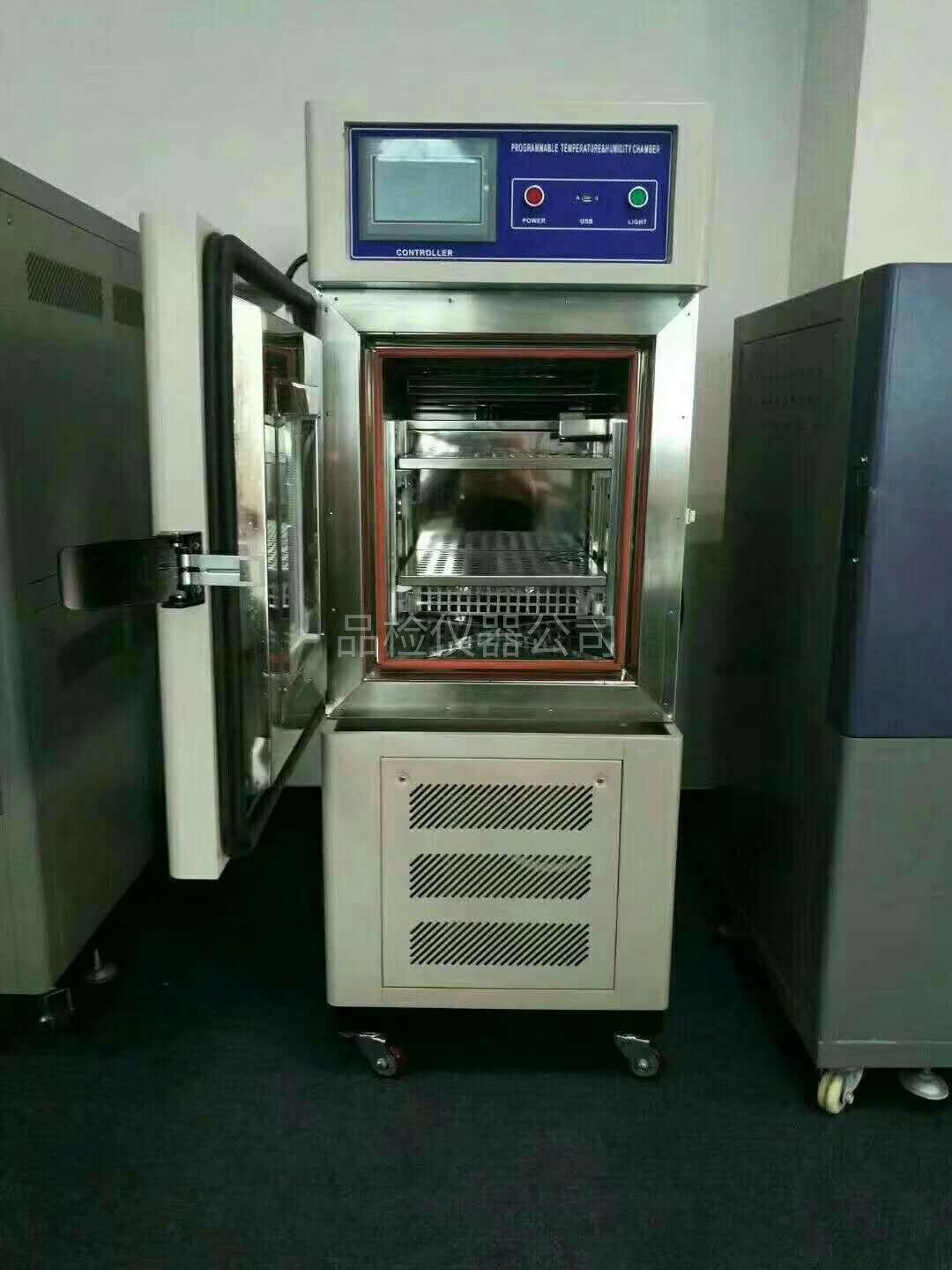
Low-Temperature Flexibility Tester for Flexible Polymeric Foam Materials
The QC-3622 Low-Temperature Flexibility Tester is designed for evaluating the low-temperature flexibility of flexible polymeric foam materials—including polyurethane (PU) sponge, PVC foam, EVA, recycled foam, and composite foams—widely used in furniture cushioning, automotive interiors, cold-chain insulation and packaging, footwear, and acoustic damping applications for incoming inspection, formulation R&D, and quality control.
| Model | QC-3622 |
|---|---|
| Size | 150 mm × 50 mm × (3~12.5) mm;每组 3 件;推荐厚度 (10±1) mm |
| Weight | 45kg |
| Category | Foam Hardness, Fatigue, Resilience, and Density Testing Machines |
| Finish | Powder-coated |
| Conditioning Environment | 23±2°C, 50±10% RH |
| Temperature Range | −75°C to ambient; preset modes: −40°C, −55°C, −75°C |
| Temperature Control Accuracy | ±1°C |
| Published | 2026-11-25 |
views:1
Overview
QC-3622 Low-Temperature Flexibility Tester (Low-Temperature Bend Test Chamber)
I. Equipment Overview
Developed in strict compliance with GB/T 33622-2017 'Flexible Polymeric Foam Materials — Test Method for Low-Temperature Flexibility', this dedicated testing instrument integrates a precision low-temperature chamber and standardized bending mandrels. It simulates cold-environment performance by conditioning test specimens at a specified low temperature for a defined duration, then bending them 180° around a standard mandrel. Flexibility is assessed by visual inspection for cracking, delamination, or fracture—directly indicating low-temperature brittleness resistance and functional durability.
II. Applicable Standards
- GB/T 33622-2017 'Flexible Polymeric Foam Materials — Test Method for Low-Temperature Flexibility'
- Conditioning per GB/T 2918 (23±2°C, 50±10% RH)
- Dimensional measurement per GB/T 6342
III. Applications
Validated for flexible polymeric foams including PU sponge, PVC foam, EVA, recycled foam, and composite foams. Commonly deployed in incoming inspection, R&D, and QC across furniture cushioning, automotive interiors, refrigerated logistics packaging, cold-storage insulation, footwear, and acoustic vibration-damping materials.
IV. Test Principle
Specimens and corresponding-diameter mandrels are placed together in the chamber and conditioned at the target temperature for (5±0.25) h. Immediately after removal, each specimen is bent 180° around the mandrel within 2–3 seconds. Visual evaluation for visible cracks, structural failure, delamination, or fracture determines pass/fail status at that temperature.
V. Key Technical Specifications
| Parameter | Specification |
|-----------|-------------|
| Compliant Standard | GB/T 33622-2017 |
| Temperature Range | −75°C to ambient; preset modes: −40°C, −55°C, −75°C |
| Temperature Control Accuracy | ±1°C |
| Temperature Stability | ≤ ±5°C fluctuation during consecutive multi-batch tests |
| Conditioning Duration | (5±0.25) h, with timer and audible end-of-cycle alert |
| Specimen Dimensions | 150 mm × 50 mm × (3–12.5) mm; 3 specimens per test group; recommended thickness: (10±1) mm |
| Bending Mandrel | Diameter ≈ 4× specimen thickness; multiple interchangeable mandrels supplied |
| Bending Angle & Speed | 180° wrap-around bend; completed in 2–3 s per specimen |
| Conditioning Environment | 23±2°C, 50±10% RH |
| Chamber Volume / Refrigeration / Power Supply | Customizable based on sample throughput and facility requirements |
> Note: Chamber volume, cooling/heating rates, compressor type, and other unlisted parameters are configurable per application needs.
VI. System Configuration
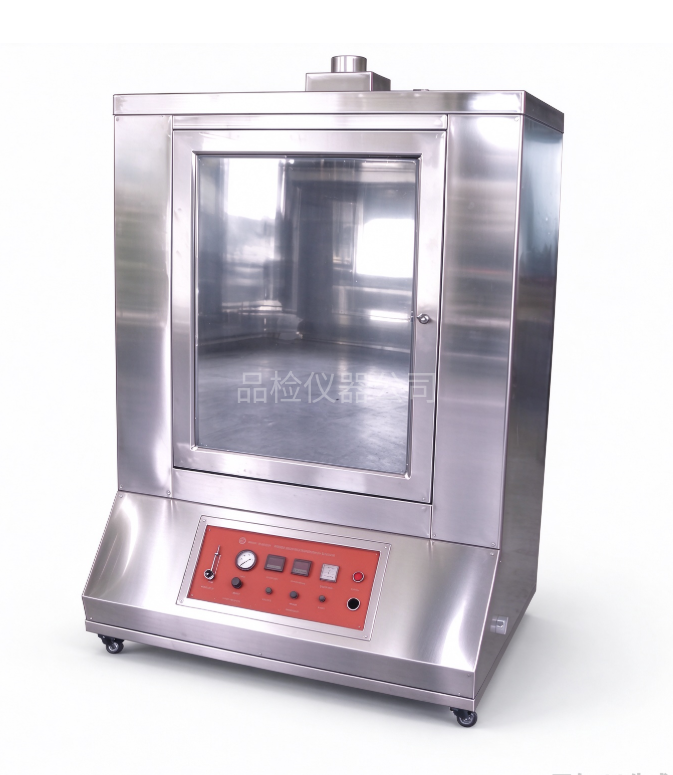
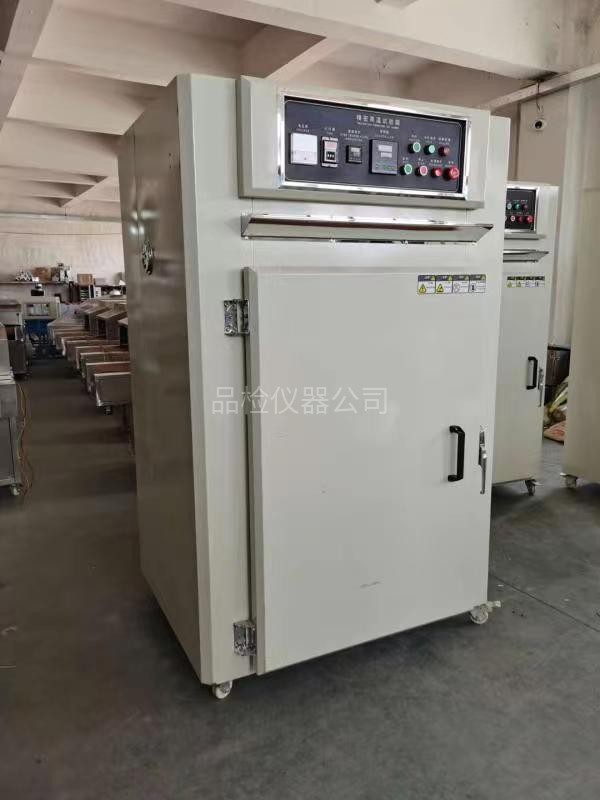
1. Low-Temperature Chamber: Insulated enclosure, refrigeration system, digital temperature controller, and internal specimen/mandrel support rack;
2. Standardized Bending Mandrel Fixture: Interchangeable mandrels ensuring consistent bending radius and uniform stress distribution;
3. Observation & Documentation Unit: Viewing window and rapid post-test visual inspection workflow;
4. Control & Interface: Digital temperature display, programmable timer, over-temperature alarm, and traceable parameter logging.
VII. Key Features & Advantages
• Full Compliance: All critical parameters—including temperature range, conditioning time, mandrel diameter, bending angle, and execution speed—fully align with GB/T 33622-2017;
• Broad Temperature Coverage: Single-unit support for three industry-standard test temperatures: −40°C, −55°C, and −75°C;
• High Thermal Stability: ±1°C control accuracy and minimized inter-batch variation under repeated operation;
• Standardized Fixturing: Mandrel diameters precisely matched to specimen thickness (4× ratio); quick-swap design ensures repeatability;
• Operational Efficiency: Optimized workflow enables rapid post-chamber bending, minimizing ambient exposure;
• Scalability: Chamber volume, specimen capacity, data loggers, and printers available as optional configurations.
VIII. Test Procedure
1. Specimen Preparation: Cut to 150 mm × 50 mm × (3–12.5) mm; remove skin; ensure surface integrity; prepare 3 specimens per group;
2. Conditioning: Stabilize per GB/T 2918 (23±2°C, 50±10% RH);
3. Dimension Measurement: Record length, width, and thickness using calibrated tools; select appropriate mandrel diameter;
4. Low-Temperature Conditioning: Set chamber to target temperature; load specimens + mandrels; condition for (5±0.25) h;
5. Bending Execution: Remove specimens promptly; complete 180° bend within 2–3 s; process multiple groups consecutively;
6. Visual Inspection: Examine and document cracking, delamination, or fracture immediately after bending.
IX. Pass/Fail Criteria
Record whether 180° bending was completed successfully and note any visible cracks, structural damage, delamination, or fracture. A test result is deemed non-compliant (failure) if ≥2 of the 3 specimens exhibit identical failure modes. Final reports must specify: standard reference (GB/T 33622-2017), specimen thickness and mandrel diameter used, actual test temperature and conditioning time, individual failure observations, and any deviations from the standard.
X. Typical Use Cases
• Incoming and outgoing quality assurance for sponge/foam manufacturers;
• Comparative R&D for new formulations, cold-resistance modifiers, and material alternatives;
• Cold-weather validation of automotive interior trim, seat cushions, and sealing/damping foams;
• Low-temperature flexibility assessment of cold-chain packaging and refrigeration insulation materials.